
Selling a Coastal Hampton Roads Home: Norfolk's Sinking-City Reality and What It Means for Your Sale

If you own a coastal home in Norfolk, Virginia Beach, Portsmouth, Hampton, or anywhere else along Hampton Roads' extensive shoreline, you've watched the trajectory shift over the past 10 to 20 years. The tidal flooding is more frequent. The flood insurance premiums climb every year. The FEMA maps keep getting redrawn. The conversations at the city level about Vision 2100 and managed retreat get more concrete. We're Hal and Emmy Jones, the husband-and-wife team behind People First House Buyers — and we have 17 years of experience buying homes, including in coastal Norfolk neighborhoods. We have actually watched the changes from inside.
There's a fact about Norfolk that gets cited in academic research, federal climate reports, and city planning documents but rarely gets said plainly to coastal homeowners: Norfolk is the second-largest U.S. population center at risk from sea-level rise, behind only New Orleans.
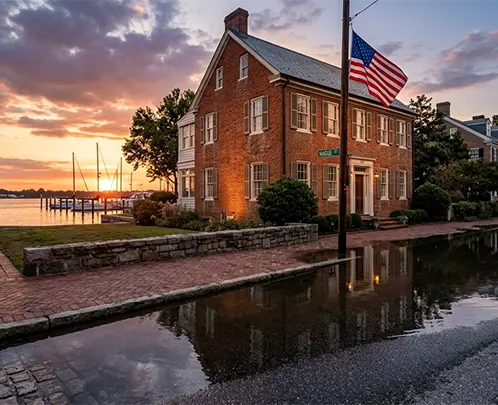
The combination of accelerating ocean rise plus one of the fastest land-subsidence rates in the country means Norfolk has the highest rate of relative sea-level rise on the entire East Coast — per NOAA's Office for Coastal Management. Sewells Point in Norfolk has recorded 17 inches of relative sea-level rise since 1927; the global average over the same period is 7 to 8 inches. NOAA's 2022 projection adds another 15 to 18 inches by 2050.
This page is the honest version of what that means for selling a coastal Hampton Roads home — when to act, what the FEMA and NFIP procedural reality actually requires, where Norfolk's Vision 2100 plan affects long-horizon property decisions, and where a cash sale fits when it does. Our brand promise is people over profit. For many coastal homeowners, elevation, mitigation grant participation, ICC coverage, or continuing to insure and ride the trajectory is the right answer. For others, the math has turned and cash-as-is is the cleanest exit. We'll tell you which honestly.
Get Your Free Cash Offer Now!
Fill out this form to get your no-obligation all cash offer started!
Get Your Free Offer TODAY!
Fill In This Form To Get Your No-Obligation All Cash Offer Started!
The Norfolk Coastal Reality — The Data
Three separate physical processes combine to give Norfolk and the broader Hampton Roads metro the highest rate of relative sea-level rise on the East Coast:
- Ocean sea-level rise. Global ocean levels are rising at approximately 4 mm per year as of recent measurements. This is the global baseline driven by thermal expansion of warming water and melting land ice. See NOAA's Office for Coastal Management for current measurements.
- Chesapeake Bay land subsidence. Per a February 2026 USGS study — the largest research effort of its kind in the region — the average land subsidence rate across the Chesapeake Bay region is 1.4 mm per year, with some Hampton Roads areas measured at up to 5 mm per year by Virginia Tech researchers. See USGS Chesapeake Bay.
- Human contribution. Groundwater withdrawal in southeastern Virginia is faster than aquifer replenishment. The Hampton Roads Sanitation District operates an aquifer recharge program (pumping a million gallons of treated wastewater per day back into the local aquifer) to slow this driver, but it's a partial mitigation.
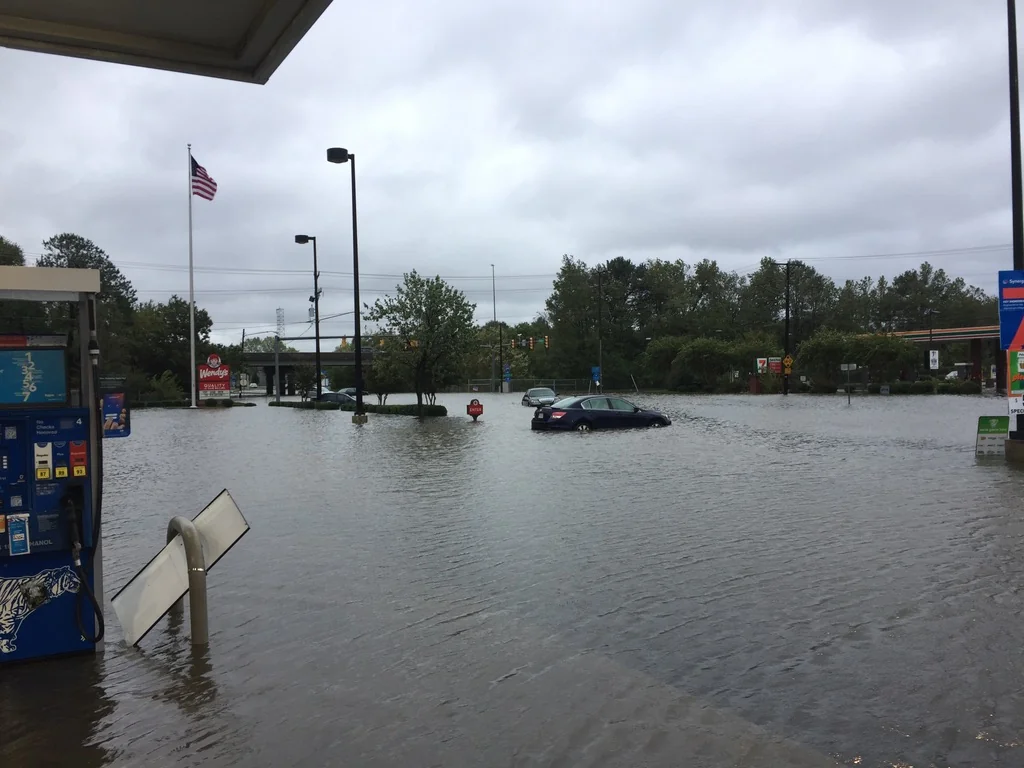
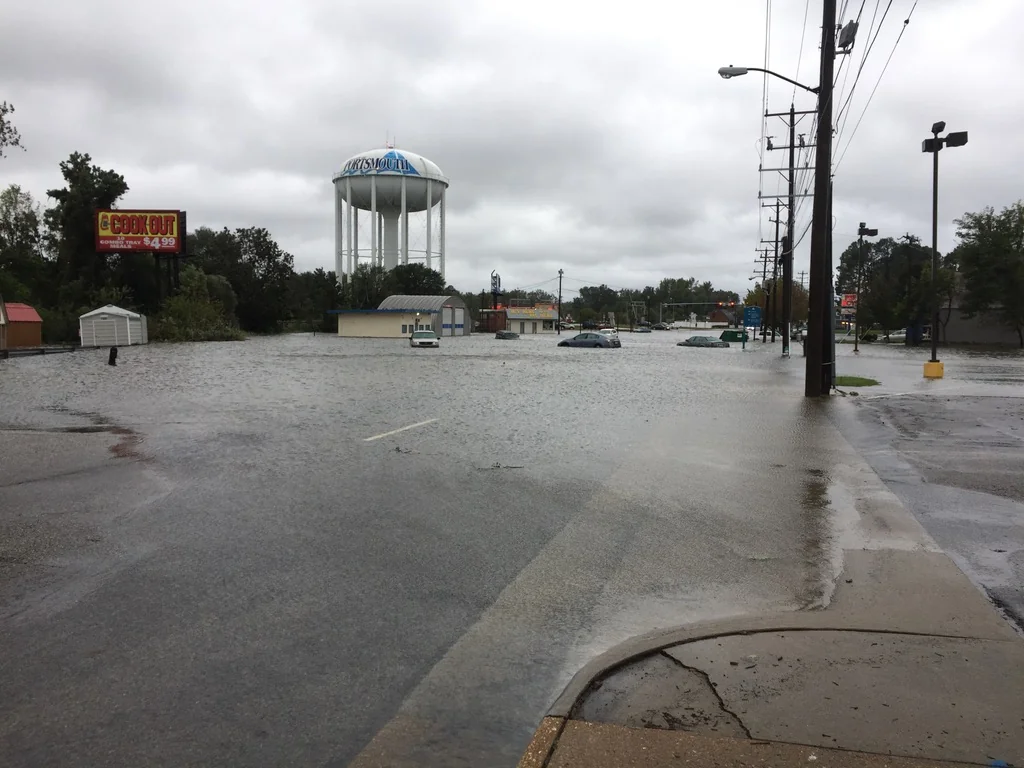
The sum: Norfolk's relative sea level is rising approximately twice as fast as the global average. Tidal flooding events that were once-a-year occurrences in 1990 are now multiple-times-a-month in many low-lying Norfolk neighborhoods. This is the structural backdrop against which every coastal Hampton Roads home-sale decision is being made.
Flood Zones and Rising Premiums
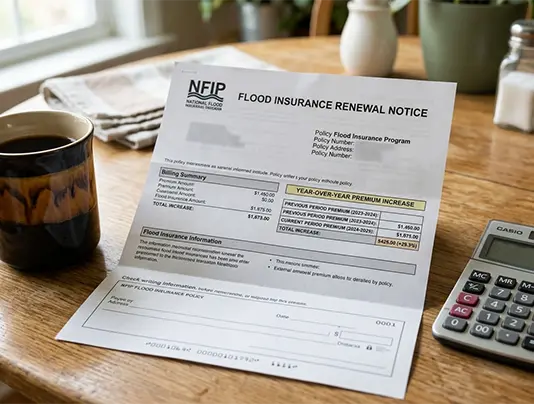
If your home is in a FEMA Special Flood Hazard Area and you have a federally-backed mortgage, flood insurance is required by federal law, and the 2024 map update pulled more Hampton Roads homes into those zones. Under Risk Rating 2.0, premiums on many coastal homes climb every year, up to 18% a year for primary residences and 25% for others. Our guide to FEMA flood zones and rising flood insurance explains how your zone and premium are set.
Norfolk Vision 2100 and the 3-Foot Freeboard Rule
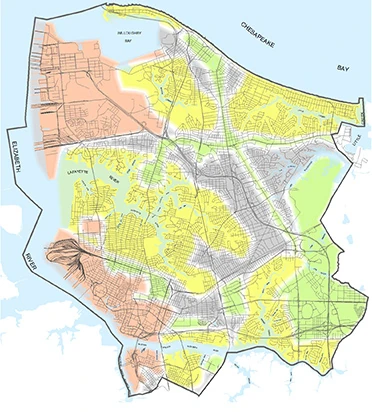
Norfolk's Vision 2100 plan divides the city into four zones by flood risk, and Yellow zones are marked for buyouts and managed retreat. Since 2019, new construction must sit at least 3 feet above base flood elevation, which can make older homes harder to rebuild after major damage. Our Norfolk Vision 2100 guide walks through each zone and what it means for a sale.
Where a Cash Sale Fits
A cash sale through People First fits when:
- Your annual NFIP premium increase trajectory has crossed your tolerance line.
- Your property is designated Repetitive Loss or Severe Repetitive Loss and the 25% annual cap is climbing toward a full risk-based rate that doesn't work for your budget.
- Your property sits in a Norfolk Vision 2100 Yellow zone (managed retreat) and you've decided to exit ahead of broader market sentiment.
- You can't or don't want to invest $80K-$200K in elevation.
- Your property has recent flood damage and traditional buyers' financing is failing because of inspection findings or insurability concerns.
A cash sale doesn't fit when: the long-term math still works at current premiums; FEMA mitigation grants or ICC coverage funds practical resilience improvements; the property is in a Red zone (hardening rather than retreat) and the city investment trajectory supports continued ownership; you have the financial capacity and inclination to elevate. People over profit — we'll tell you which scenario you're in honestly.
How a Cash Sale With People First Looks
If you've decided cash sale is the right tool for your coastal Hampton Roads home, here's what working with us looks like:
- Step 1: You call us at (757) 238-5550 or email Hal@peoplefirsthousebuyers.com. We talk through your situation — your flood history, NFIP claims if any, current premium trajectory, Vision 2100 zone if you know it, and your timing.
- Step 2: We walk the property. Hal and Emmy — local, Norfolk-based, husband-and-wife team. We see the home, the elevation, the floor system, the prior flood-damage history if any.
- Step 3: We send a written cash offer within 24 hours. The math accounts for the as-is condition, the flood-risk profile, the local coastal market, and the realistic post-purchase plan we'd have for the property.
- Step 4: If you accept, we coordinate with a Virginia title company. Title work, lender payoff (if any), and closing typically proceed in 7-14 days.
- Step 5: We close. You're out. We take on the coastal-risk profile from here.
Frequently Asked Questions
How much has Norfolk's sea level actually risen?
Sewells Point in Norfolk has recorded 17 inches of relative sea-level rise since 1927 — more than double the global average of 7-8 inches. NOAA projects an additional 15-18 inches in Southeastern Virginia by 2050.
When does a cash sale make sense for a coastal Norfolk home?
When your flood insurance premium increases have crossed your tolerance line, your property is designated Repetitive Loss or Severe Repetitive Loss, it sits in a Vision 2100 Yellow zone and you've decided to exit, you can't or don't want to spend $80K-$200K on elevation, or recent flood damage is making traditional buyers' financing fall through. If the long-term math still works, a cash sale may not be the right answer, and we'll tell you so.
Do I have to disclose flood history when selling?
Virginia disclosure law is evolving on flood history specifically; consult a Virginia real estate attorney for current requirements. NFIP flood insurance claim history follows the property in many practical contexts (lender review, insurance underwriting), so honest disclosure is the practical standard regardless.
Will People First buy a coastal Norfolk home with flood damage?
Yes. We buy as-is, including coastal properties with flood damage history, RL or SRL designation, or current NFIP claims open. Cash sale doesn't require traditional inspection or financing contingencies that derail on flood-related issues.
Talk to Hal Directly
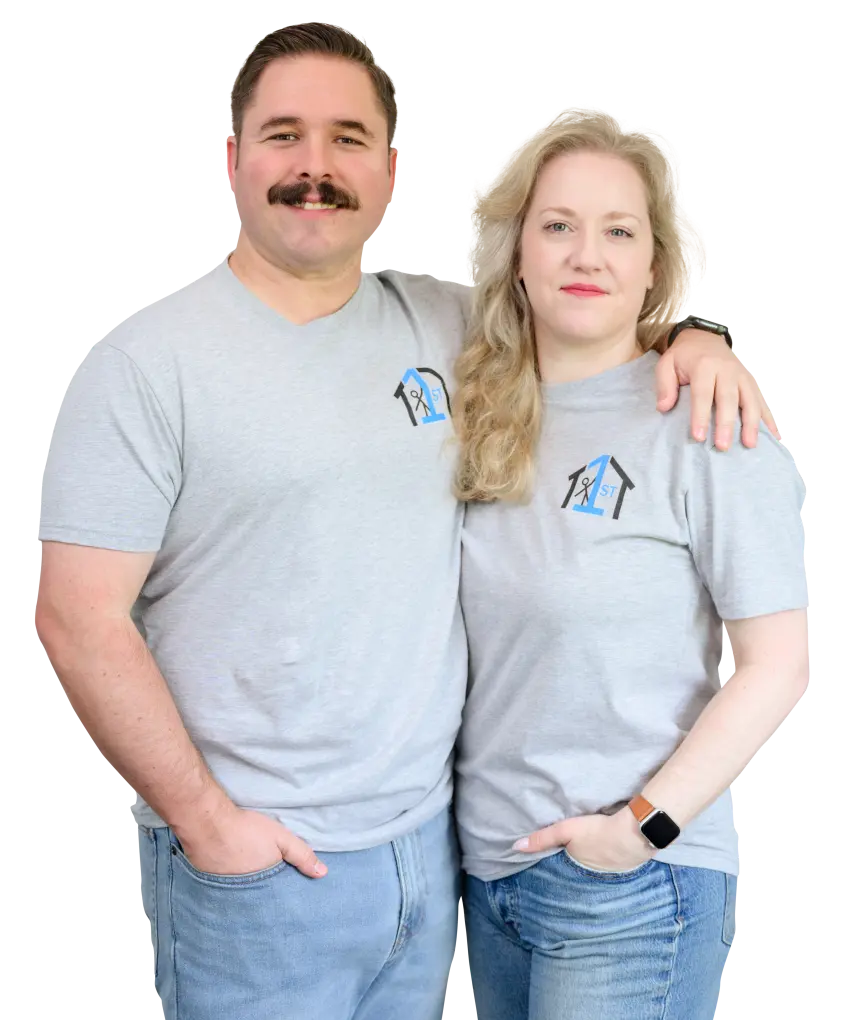
If you own a coastal Hampton Roads home and you're trying to figure out the next 5, 10, or 20 years, give us a call. We'll talk through the FEMA math, the Vision 2100 zone for your specific neighborhood if you're in Norfolk, and what a cash sale would look like — including whether it's the right answer for your situation. People over profit. Honest feedback, even if we're not the best fit. Call (757) 238-5550 or fill out the form. — Hal and Emmy Jones, People First House Buyers.
Get Your Free Offer TODAY!
Fill In This Form To Get Your No-Obligation All Cash Offer Started!